THE REAL POTENTIAL OF SYNTHETIC DATA IN AI TODAY

23 October 2025 | 13.30h to 14.00h

Synthetic data are becoming a key solution for training AI models when real data are scarce, sensitive or difficult to obtain. In this session, we will see how it is used in various fields (health, autonomous mobility, finance, generation of surrogate models for simulations and others). We will explore how it is generated, what it contributes and what impact it has on the quality of the models to achieve a more robust, secure and scalable AI.

Presenter:

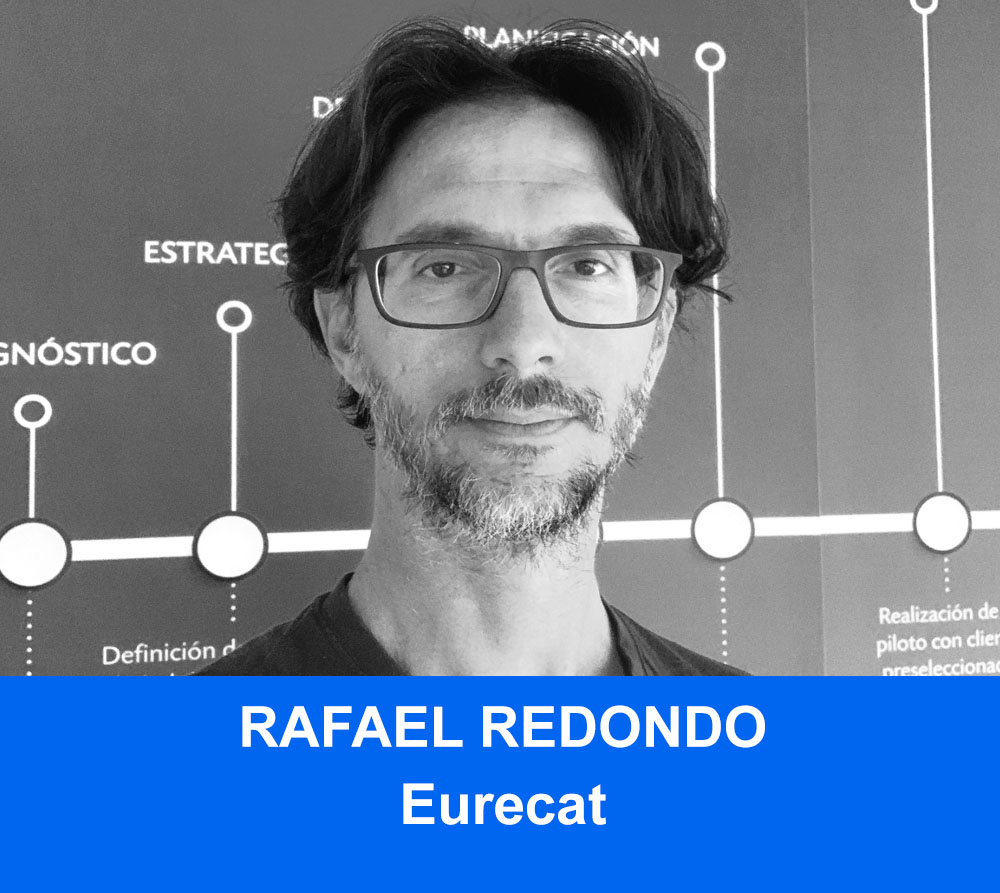
  • Rafael Redondo, Senior Researcher, Head of Image Group, Multimedia Technologies, Eurecat

Participate:

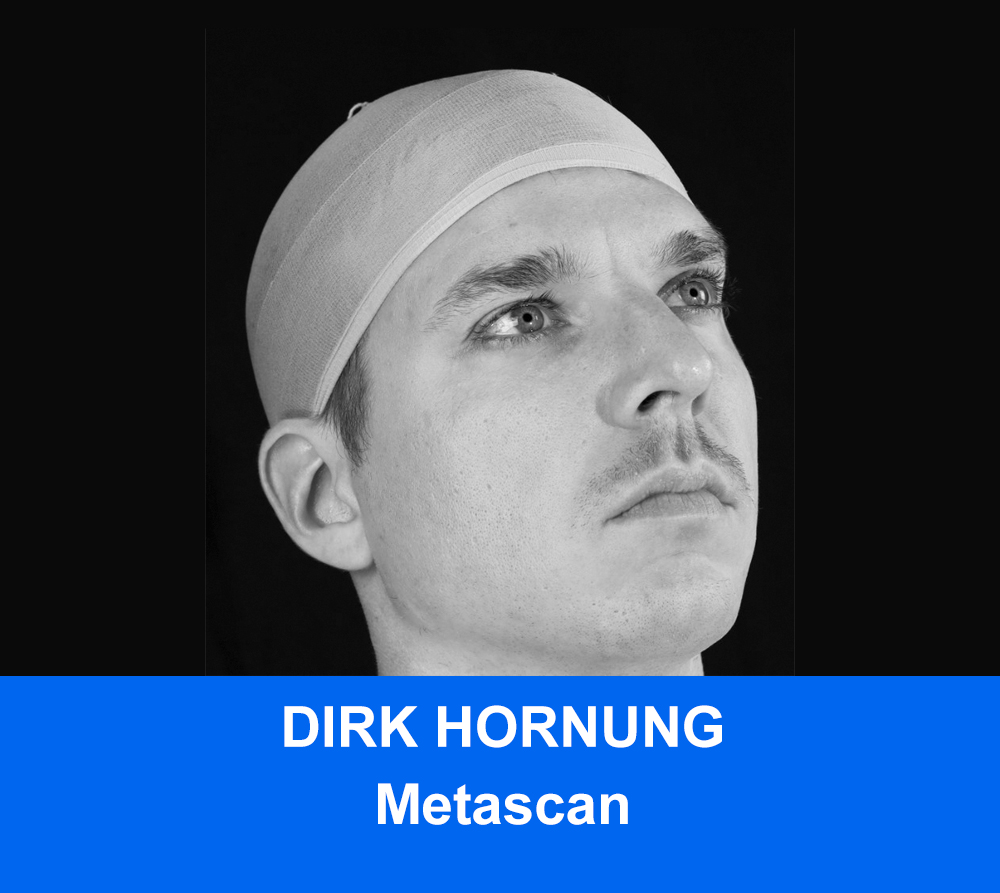
  • Dirk Hornung, CEO, Metascan

  • Ivan Vollmer, Head of Thoracic Radiology Section, Radiodiagnostic Service, Vall d’Hebron Hospital. Associate Professor, Faculty of Medicine, Autonomous University of Barcelona and Carolina Migliorelli, Head of Research Line (Healthcare Artificial Intelligence), Eurecat

Presenter

RAFAEL REDONDO

Senior Researcher, Head of Image Group, Multimedia Technologies, Eurecat

Researcher at the Multimedia Technologies Unit of Eurecat. He received his PhD in computer vision from the Institute of Optics (CSIC) and the School of Telecommunications (ETSIT) of the Polytechnic University of Madrid (UPM) in 2007. He has subsequently participated in international European projects on volumetric-3D medical image visualization, camera contrast enhancement, autofocus system evaluation, and automatic pollen recognition. He also obtained a master’s degree in Sonology from the Pompeu Fabra University (UPF). His research fields include biological models of human vision, image coding and compression, time-frequency representations, and pattern recognition. In the field of interactive systems, he has worked as a freelancer on projects for Cosmocaixa (Top Ciència) or La Fura dels Baus (MURS). In recent years at Eurecat he has worked with deep neural models (Deep Learning) in projects as diverse as natural-matting effects for film post-production or depth estimation in 360 virtual reality. He currently works on applied research on multimodal generative models and 3D reconstruction in cultural heritage. He has 17 publications in international journals and over 20 at international conferences.

Speakers

DIRK HORNUNG

CEO, Metascan

Dirk Hornung, holding a PhD in Particle Physics, transitioned into software engineering at Google, where he focused on implementing human-centric AI models. His expertise further expanded as a GPU compiler engineer, optimizing Large Language Models (LLMs) on Nvidia GPUs using the XLA compiler. Dirk is now driving innovation as the founder of Metascan, a startup dedicated to digital humans and the development and training of human foundational models.

Human-Centric Synthetic Data: Unlocking AI's True Potential Today

Discover how human-centric synthetic data is revolutionizing AI development. We’ll explore why traditional data sources often fall short due to privacy concerns, bias, and scarcity. Learn how generating high-quality, privacy-preserving synthetic data allows for robust AI training, accelerates innovation, and minimizes ethical risks. This session will illuminate the practical applications and immense potential of synthetic data in building more equitable and effective AI systems right now.

IVAN VOLLMER

Head of Thoracic Radiology Section, Radiodiagnostic Service, Vall d’Hebron Hospital. Associate Professor, Faculty of Medicine, Autonomous University of Barcelona

Ivan Vollmer holds a degree in Medicine and Surgery from the University of Barcelona (UB) (1993-1999), a specialist in Radiodiagnosis (2000-2004) and a PhD in Medicine (2023) from the UB. He is currently Head of the Thoracic Radiology Section at Vall d’Hebron Hospital and a researcher in chest imaging at VHIR. He has extensive experience, of more than 20 years, in care, teaching and research in Thoracic Radiology. Previously, he was Assistant of Radiology and Deputy Coordinator of the Lung Cancer Functional Unit at Hospital del Mar (2004-2014) and Radiology Consultant and Resident Tutor at Hospital Clínic (2015-2024).

CAROLINA MIGLIORELLI

Head of Research Line (Healthcare Artificial Intelligence), Eurecat

Dr. Carolina Migliorelli Falcone is the head of the research line on Trustworthy Artificial Intelligence for Healthcare within the Digital Health Unit at Eurecat. Her research career began with a doctoral thesis at the Center for Biomedical Engineering Research (CREB – UPC), followed by a postdoctoral fellowship at the Network Center for Biomedical Research (CIBER-BBN).

Her work focuses on the development of artificial intelligence systems for healthcare, with a particular emphasis on trust, explainability, and security. She leads projects aimed at creating advanced machine learning algorithms that support clinical decision-making, facilitate patient classification and stratification, and promote data-driven, personalized interventions. She also works on solutions that empower individuals to manage their health and improve their lifestyle through reliable and user-friendly digital technologies.

She has extensive experience in biomedical data processing and analysis, as well as in integrating clinical data in complex environments. She holds a PhD in Biomedical Engineering (UPC), a Master’s degree in Biomedical Engineering (UB-UPC), and a Bachelor’s degree in Telecommunications Engineering with a specialization in Electronic Systems (UPC).

Synthetic CT images in lung cancer: new avenues to generate data and drive clinical innovation

The development of AI models for lung cancer diagnosis requires large CT databases, with accurate annotations of nodules (location, size, morphology) and associated clinical information. Their acquisition is slow, expensive and limited by the sensitivity of the data and the imbalance between benign and malignant cases, which reduces the robustness of the classifiers. Synthetic images generated with AI offer a solution to expand and balance cohorts and train more robust models. The presentation will show the generation process, its clinical relevance and the need for rigorous expert validation.