
Vertical AI models: specialization or generalization?
22 October 2026 | 13.25h to 13:55h
The emergence of large general-purpose models has shaped the recent evolution of artificial intelligence, but interest in specialized vertical models is also growing. These models are developed for specific domains under principles of control, governance, and technological sovereignty. In this session, we will explore two examples that demonstrate how sovereign vertical AI models can deliver value in fields as important as biomedicine and the preservation of linguistic diversity in the digital environment.
Speakers:
-
Ray G. Butler, CEO and Director of Data Science, Butler Scientifics
-
Aleix Figueres Simó, AI lead, Fluendo
Presenter:

JOAN MAS
Director, CIDAI
Joan Mas is a Telecommunications engineer (UPC) and MBA (Webster University). He worked for 10 years at the European Space Agency, the Netherlands, in the ENVISAT and METOP projects, Earth observation satellites. From 2000 to 2008 he developed at NTE S.A., equipment for the International Space Station and life support systems for manned space missions. Until 2024 he was Director of the Digital Technologies Division at Eurecat, promoting developments in areas such as Data Analytics and Big Data, Artificial Intelligence, Cybersecurity and others for multi-sector applications. He is currently Scientific Director in the digital field at Eurecat and, from 2021, he is also Director of CIDAI.
Speakers:
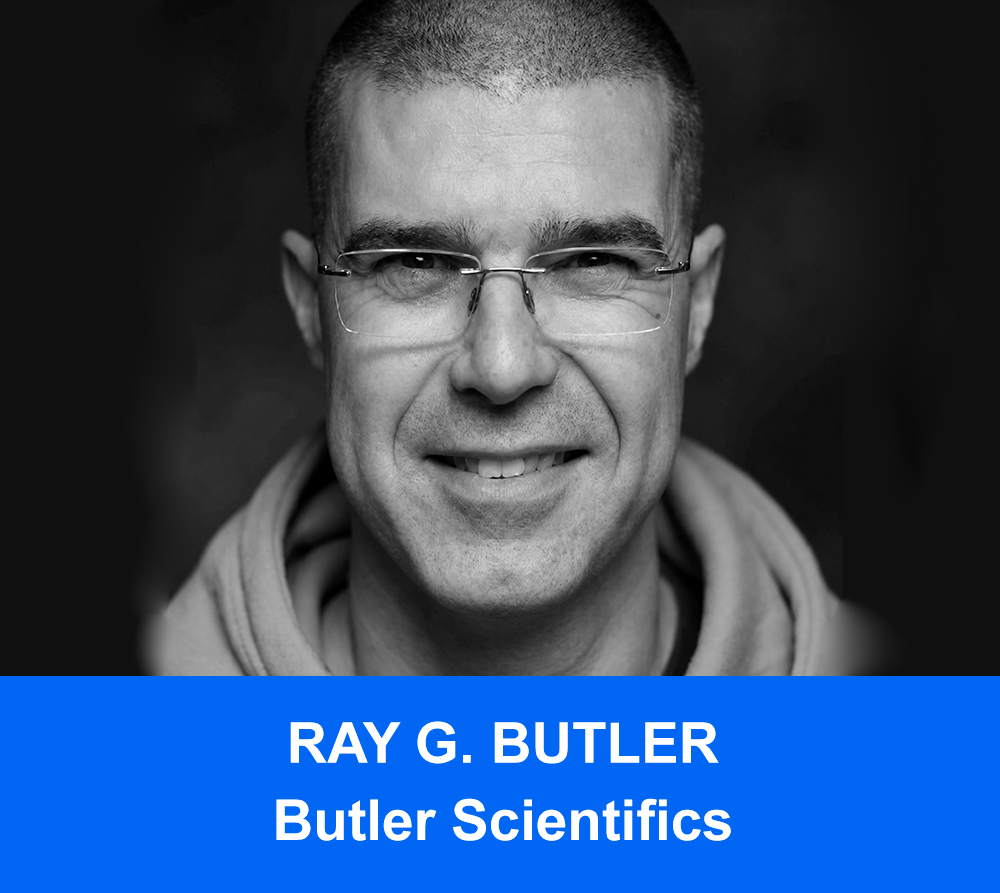
RAY G. BUTLER
BioConverse evolves: from conversations with data to agent-guided biomedical exploration
BioConverse showcases its latest advances as an agentic platform designed to transform biomedical data exploration. This session will demonstrate how the platform orchestrates the different components of its ecosystem to automate every stage of the data science workflow: defining objectives, formulating research questions, auditing data, integrating external information, exploring data with AutoDiscovery, interpreting results, and producing traceable conclusions. Discover how AI can go beyond chat interfaces to become a rigorous, practical, and controllable guide for biomedical research.

ALEIX FIGUERES SIMÓ