
Beyond language models: multimodal models
22 October 2026 | 12.55h to 13:25h
Multimodal models represent a new generation of AI systems capable of simultaneously integrating and interpreting text, images, audio and video. In this session, we will explore two projects that showcase the potential of these models, demonstrating how combining multiple data sources can create value in applications as diverse as managing media archives and automating quotation and budgeting processes in industrial environments.
Participants:
-
Carles Rams Grau, CEO, Ebantic Systems
-
Nicolás Carrasco Heuri, CTO, Unnic AI
Presenter:
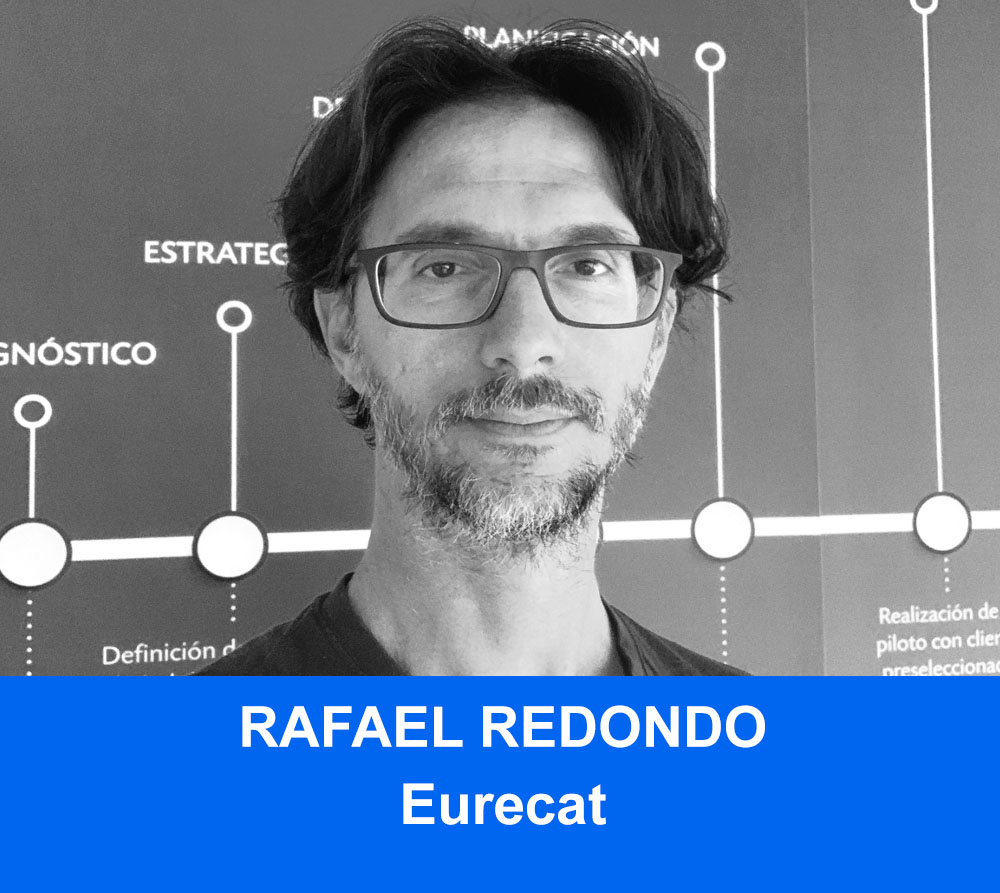
RAFAEL REDONDO
Director of the Multimedia Technologies Unit, Eurecat
Senior Researcher with a PhD in Computer Vision at the Institute of Optics (CSIC) and ETSI Telecommunication (UPM) in 2007 and a Master in Sonology (UPF) in 2012. Throughout my career, I have participated in multiple international initiatives of scientific and technological relevance with the participation of academic and industrial partners, strengthening interdisciplinary research and technology transfer. In recent years, as technical leader and coordinator of multidisciplinary projects, I have led public and private research in applied deep learning, including multimodal generative models. AMETIC 2024 Award for Best R&D Project, high-impact project of CIDAI of scientific and industrial excellence with 3Cat. My sustained scientific production, with more than 30 articles in international journals and conferences, and since 2022 as a supervisor of MSc and PhD students at the UAB and UPF, contributes to advanced training and the transfer of academic-industrial knowledge.
Speakers:
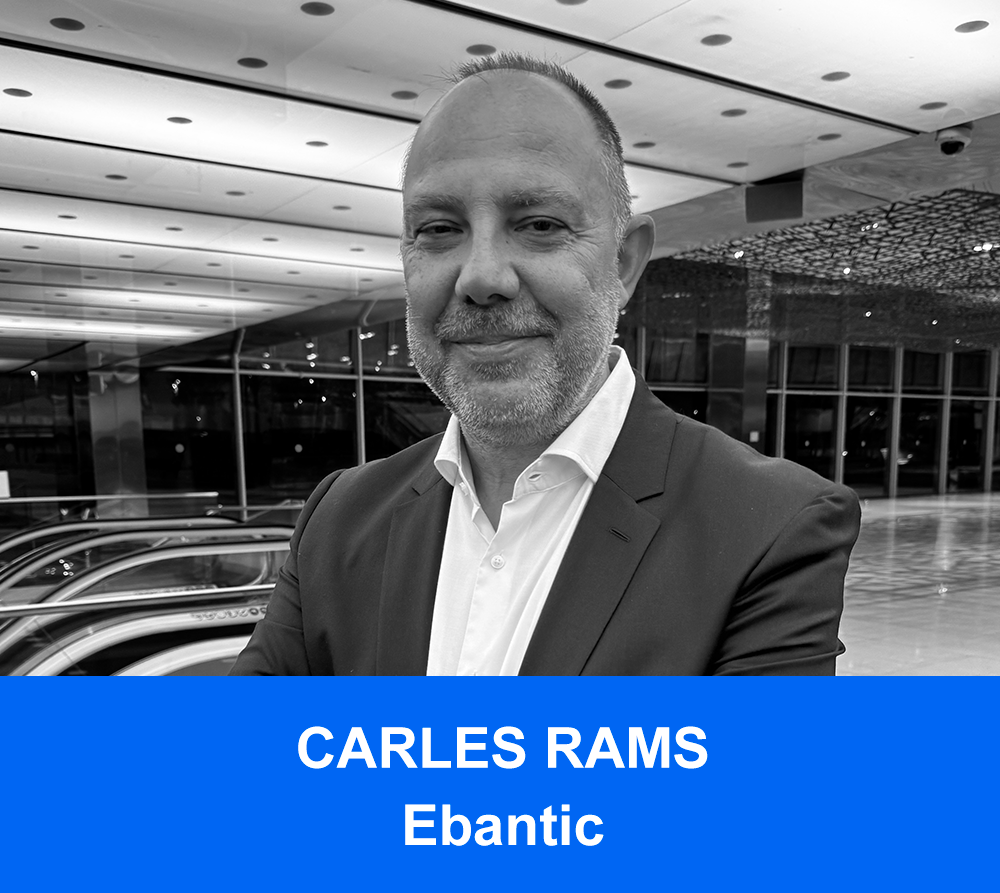
CARLES RAMS GRAU
CEO, Ebantic Systems
Carles Rams is CEO and co-founder of Ebantic, specialized in audiovisual content platforms for media and institutions. A business graduate from UOC with a PDG (General Management Program) from IESE, he has over 25 years of industry experience, including TV3 and Mediapro projects such as laSexta’s continuity and digital video archive. At Ebantic he leads AI projects for documentary and press archives, notably the indexing and conversational query system for the Agència Catalana de Notícies archive, developed in consortium with Amplify, Watchity, Coeli and Aureacolor. He is secretary of the Clúster Digital de Catalunya.
ACN-IA: a hybrid website to browse and converse with the multimodal news archive
The Agència Catalana de Notícies holds over one million text news items and hundreds of thousands of audio recordings, photographs and videos. Conventional keyword search engines fail to capture context or semantic relationships between contents. ACN-IA proposes a hybrid website combining structured navigation with AI conversational dialogue: users can browse through menus and filters or ask questions in natural language and receive cited, multimedia answers. The solution integrates a pipeline of 18 AI models for indexing, RAG over multimodal archives and Catalan-language models. A scalable paradigm applicable to any news agency or archive.
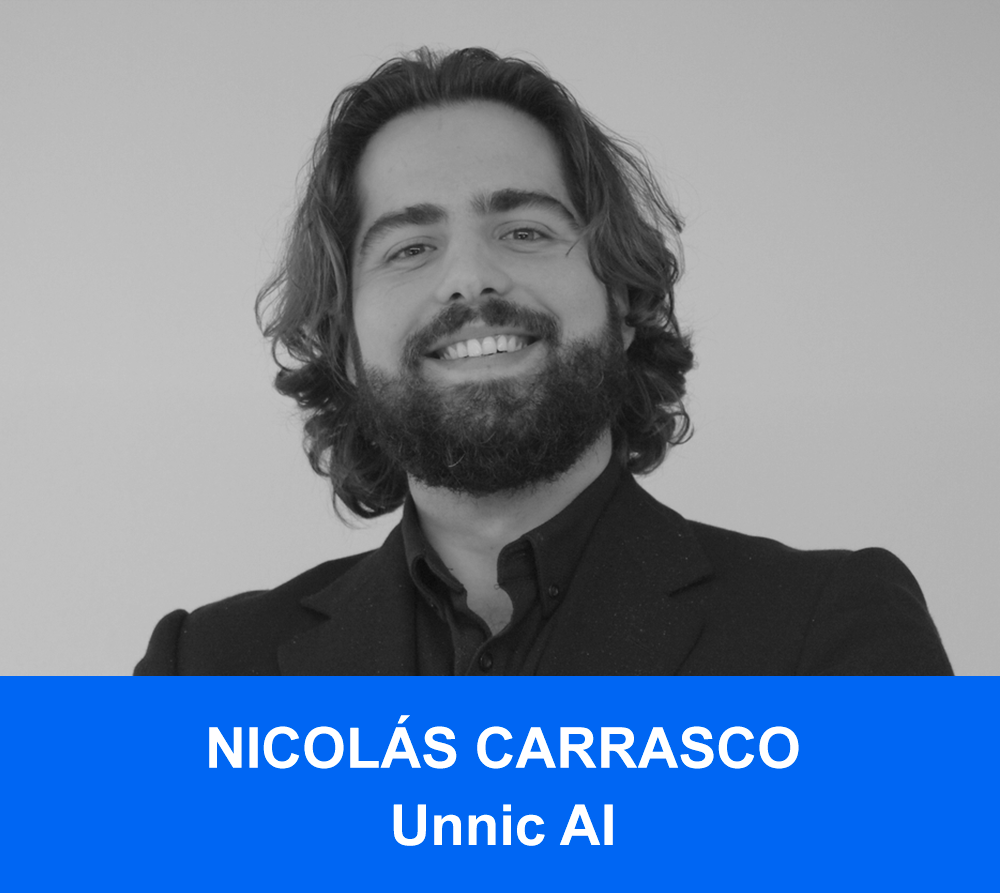
NICOLÁS CARRASCO HEURI
CTO, Unnic AI
Nicolás Carrasco es CTO y cofundador de Unnic AI. Especializado en inteligencia artificial aplicada al entorno empresarial, trabaja ayudando a organizaciones a entender cómo la IA está transformando la forma en que se diseñan, desarrollan e integran soluciones tecnológicas. Su enfoque combina estrategia, tecnología y negocio para convertir avances emergentes en herramientas capaces de generar impacto real. Acompaña a empresas en la adopción de nuevas capacidades basadas en IA, explorando cómo esta tecnología está redefiniendo los procesos, el software y la competitividad empresarial.